
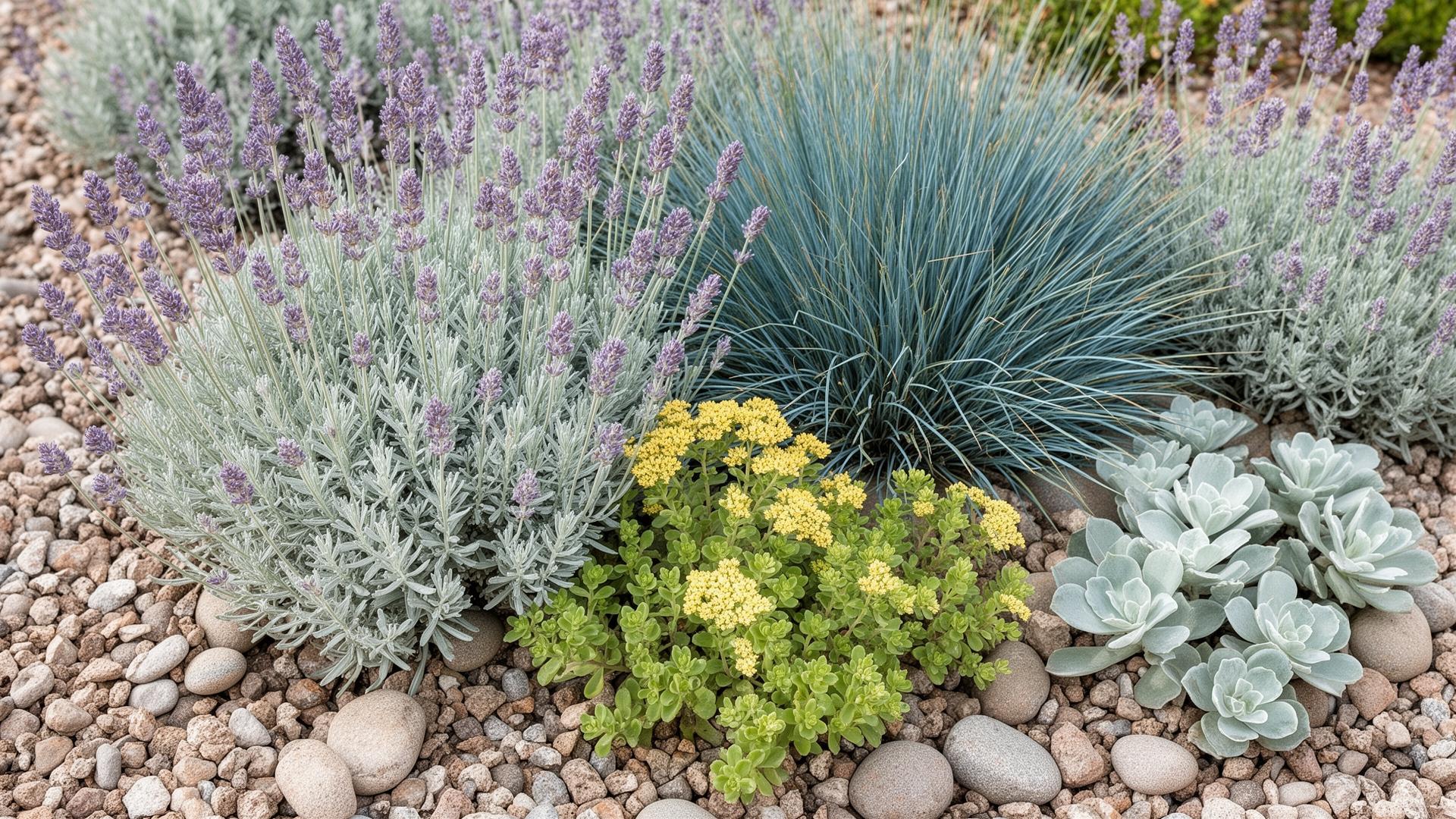
The right plants.
For the Rocky Mountain West.
Every plant here survives brutal winters, thrives in dry summers, needs minimal water after establishment, and meets defensible space standards. No plants that die in a Wyoming frost. No generic lists.
Don't know your zone? Look it up here →
Zones 3–4
Northern Mountain West & Upper Plains
Brutally cold winters (-40°F lows) and short, intense fire seasons. Plants must survive extreme cold and summer drought alike. These plants use significantly less water than traditional ornamentals and need almost no maintenance after establishment — which is exactly what you want at altitude.
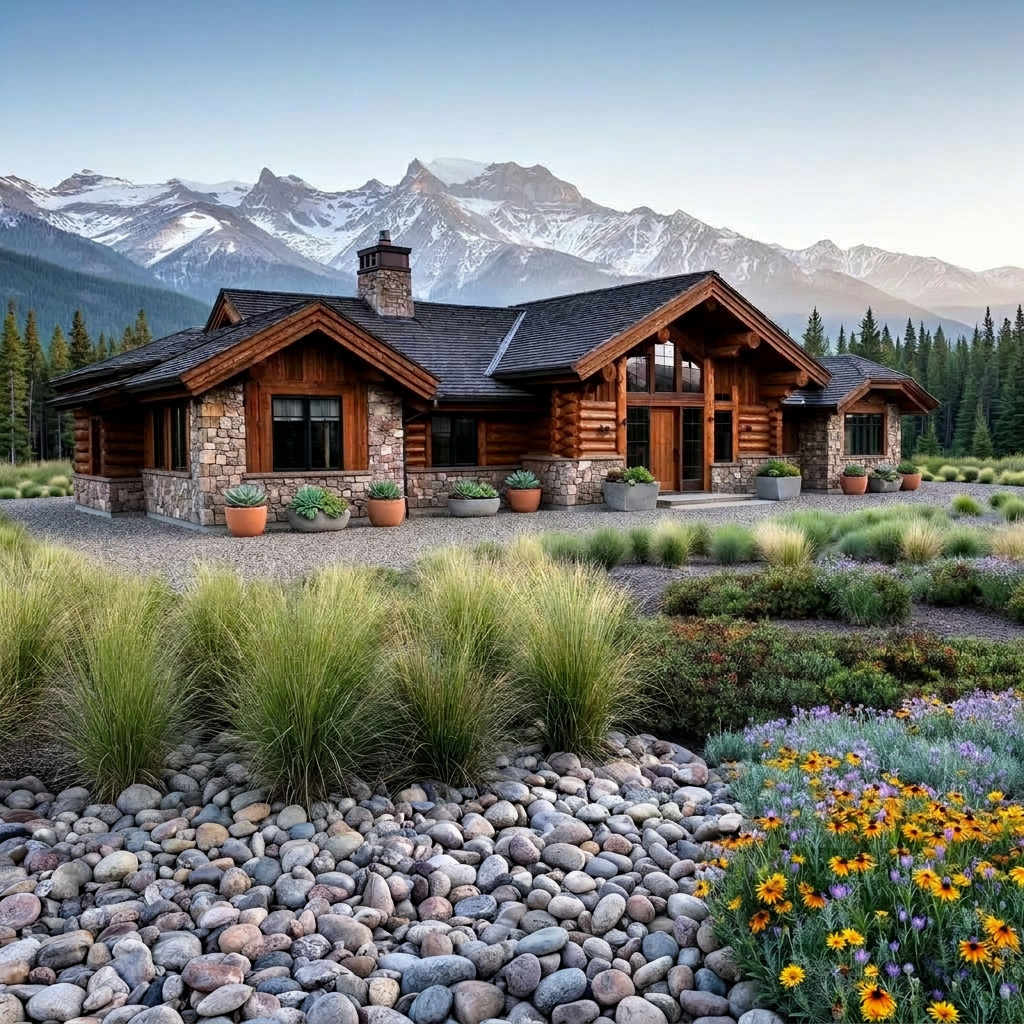
A common Zone 3–4 home, landscaped with these recommendations
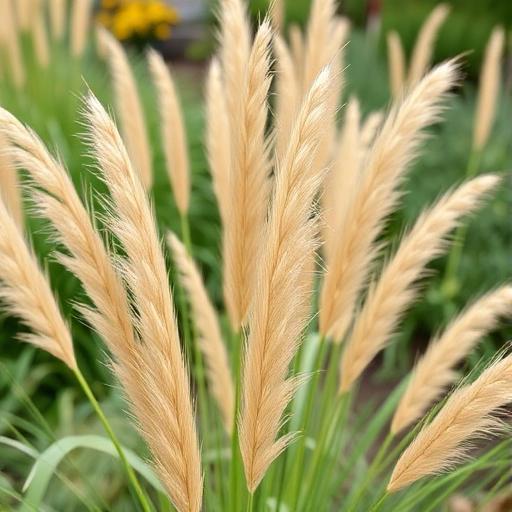
Upright, low fuel when green. Cut back in spring. High moisture content all summer.
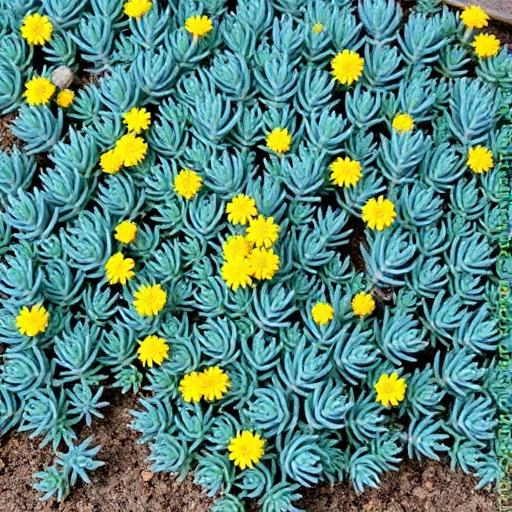
Succulent mat with near-zero ignition risk. Cold-hardy to Zone 3.
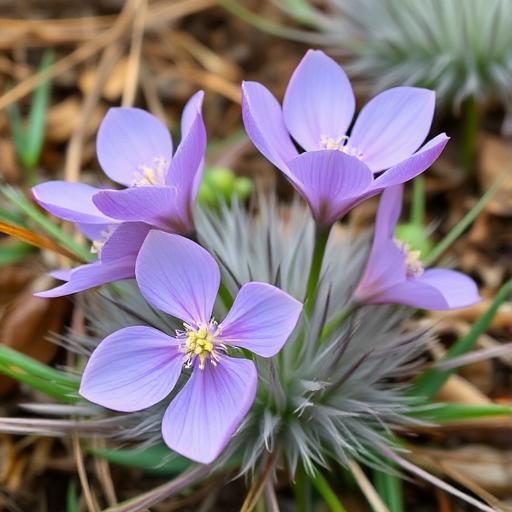
Low, tufted habit. One of the first to bloom in spring. Minimal dead fuel.
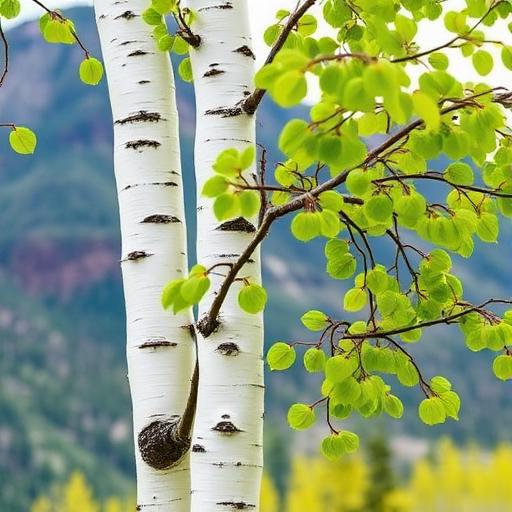
High-moisture deciduous tree — one of the most fire-resistant trees in the Mountain West. Limb up 6–10 ft and space clusters 10 ft apart.
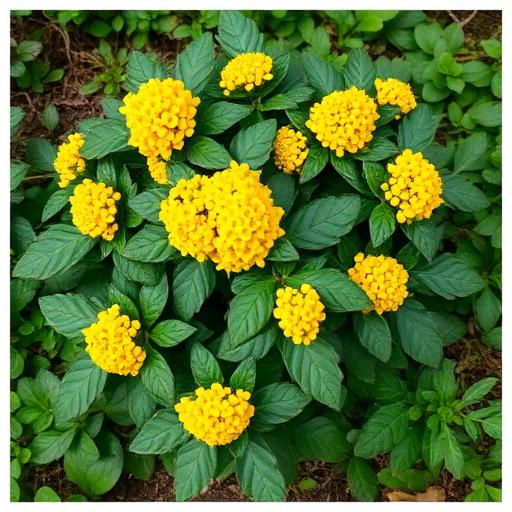
Evergreen, low-growing. Leathery leaves resist ember ignition. Shade-tolerant.
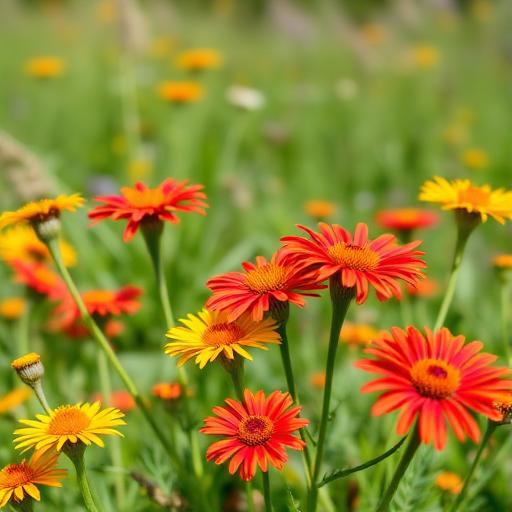
Native prairie perennial. Deadhead to remove dry material. Drought-adapted.
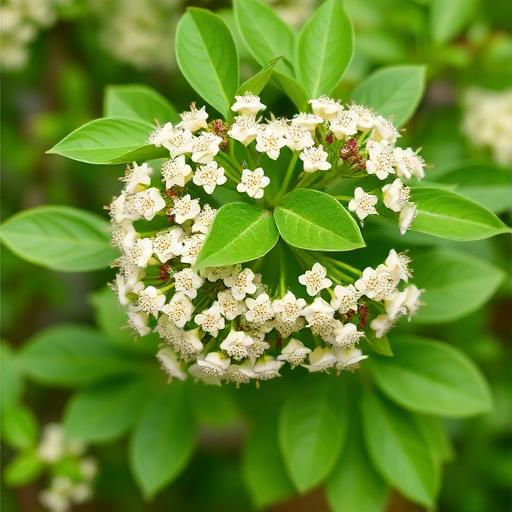
Multi-stem shrub/tree. High moisture leaves. Edible berries. Limb up lower branches.
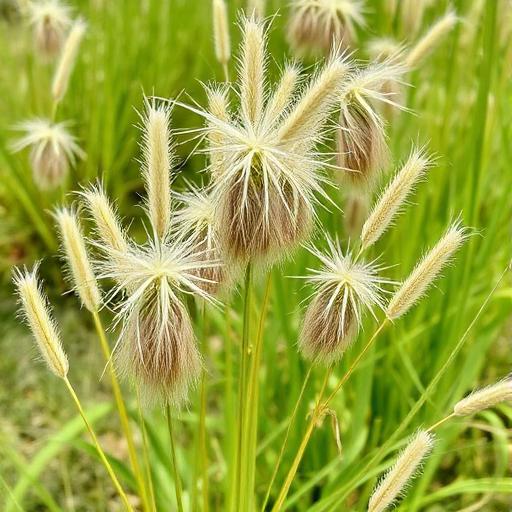
Fine-textured native bunchgrass. Mow to 4" in fire season. Fragrant seed heads.
Zones 5–6
Central Mountain & Intermountain West
Cold winters, dry summers, and wildfire-urban interface pressure. Many mountain communities live in this zone. This is the heart of Ember Range Co.'s service area — Colorado's Front Range, the Wyoming Basin, and Idaho's high valleys. Every plant here is chosen for year-round beauty, water efficiency, and fire resilience in equal measure.
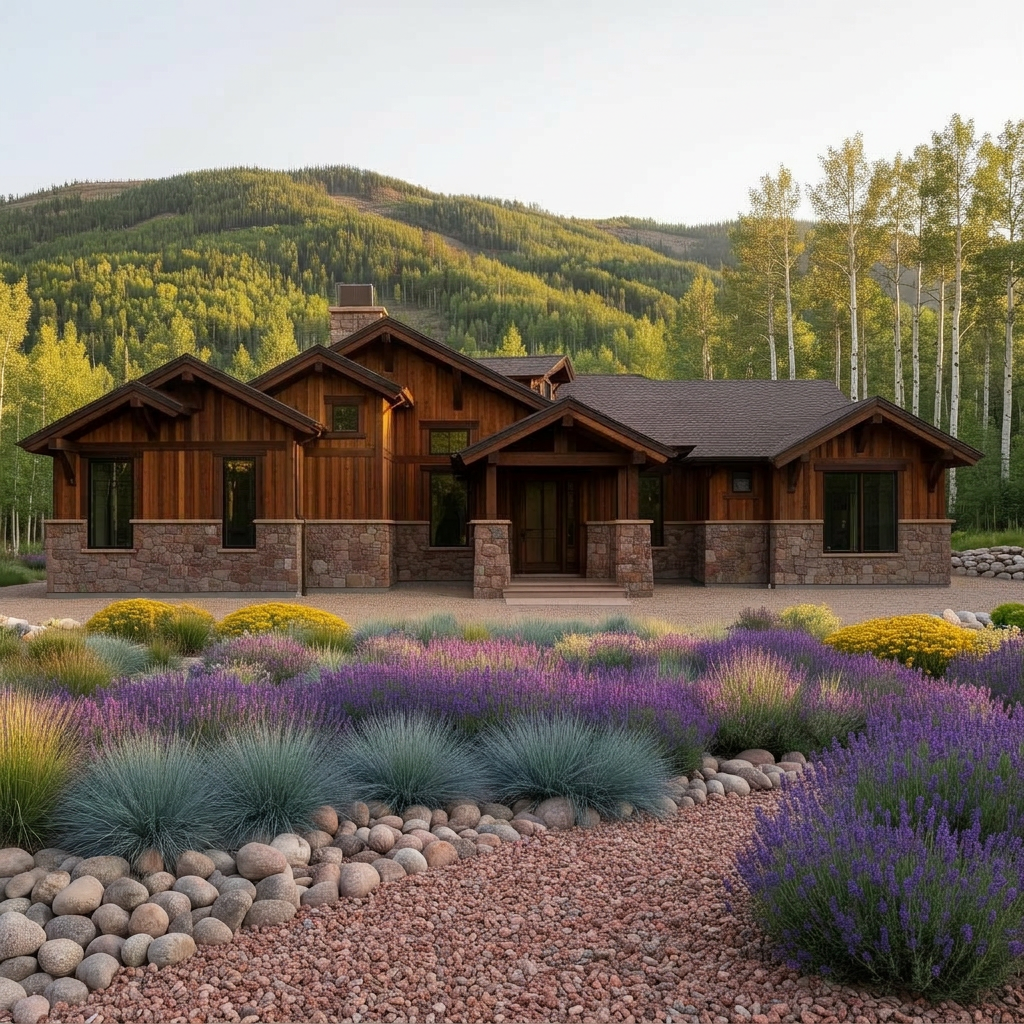
A common Zone 5–6 home, landscaped with these recommendations
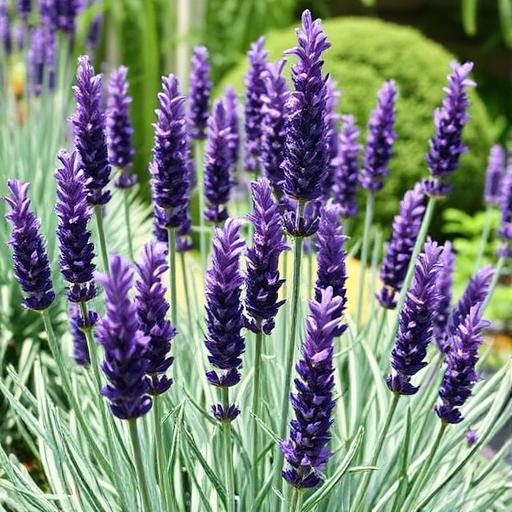
Hardy to Zone 5. High oil content but high moisture when irrigated. Shear after bloom.
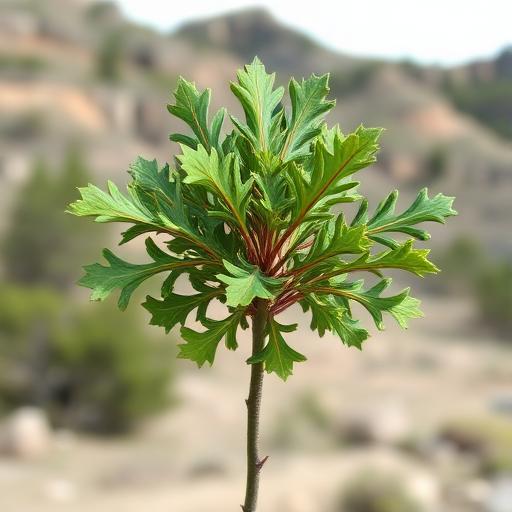
Native deciduous oak. Keep well-limbed and spaced. Reduces ladder fuels when pruned.
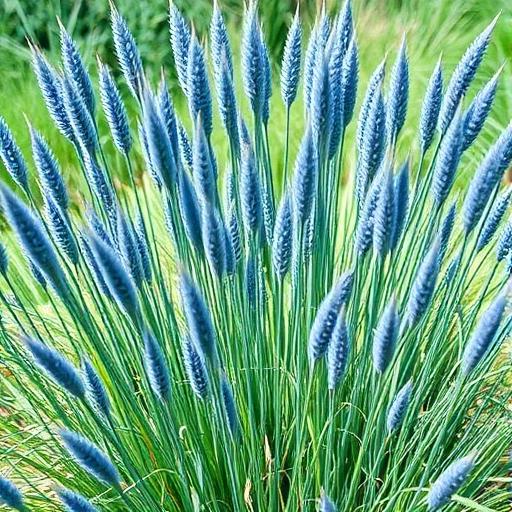
Steel-blue tufted grass. Low fuel load. Evergreen in mild winters.
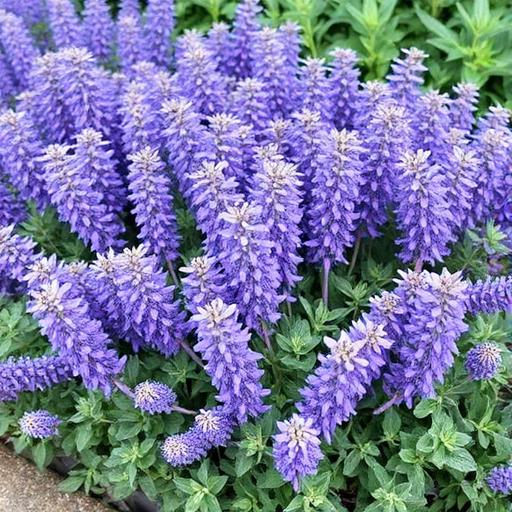
Dense, aromatic groundcover. High moisture stems. Shear mid-summer for rebloom.
High moisture leaves and bark. Natural fire break when in groves. Space crowns 10 ft.
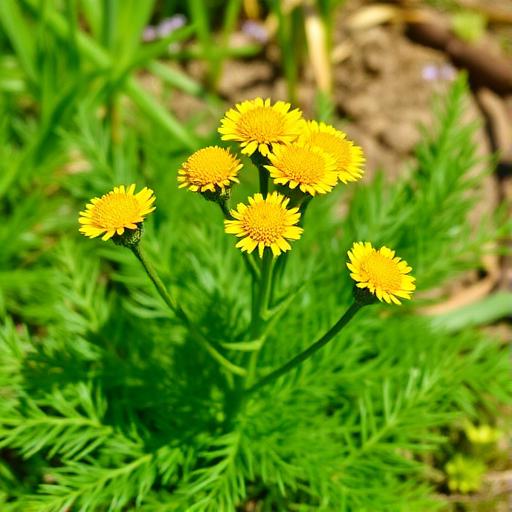
Flat flower heads, extensive root system. Deadhead dry material regularly.
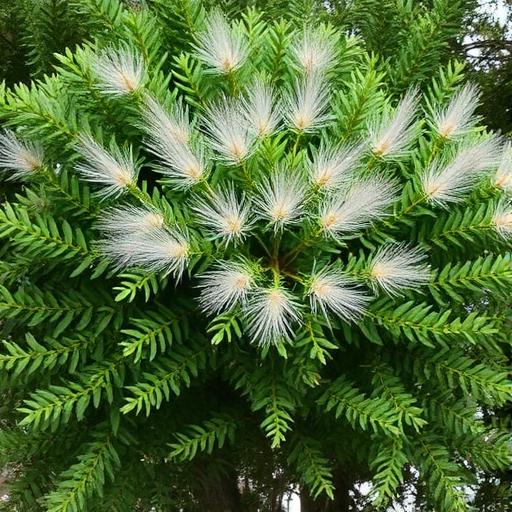
Evergreen shrub. Dense habit — thin interior dead wood annually. Drought-adapted.
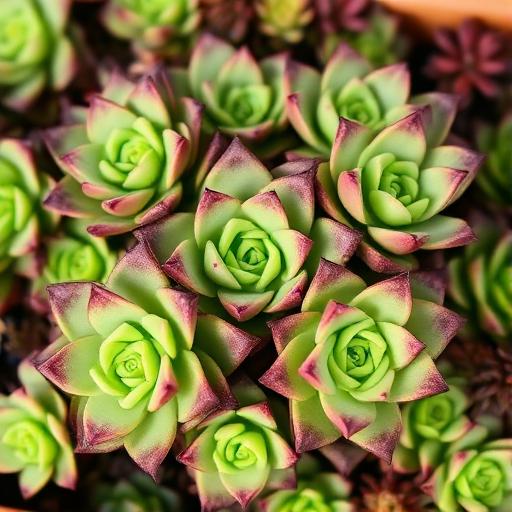
Succulent. Virtually fireproof. Ideal for the 0–5 ft ember zone. Cold-hardy.
Zones 7–8
Southern Plains, Pacific Northwest & Mid-Atlantic
Moderate winters, hot summers. Fire risk ranges from grassland wildfires to woodland interface. Humidity offers some advantage.
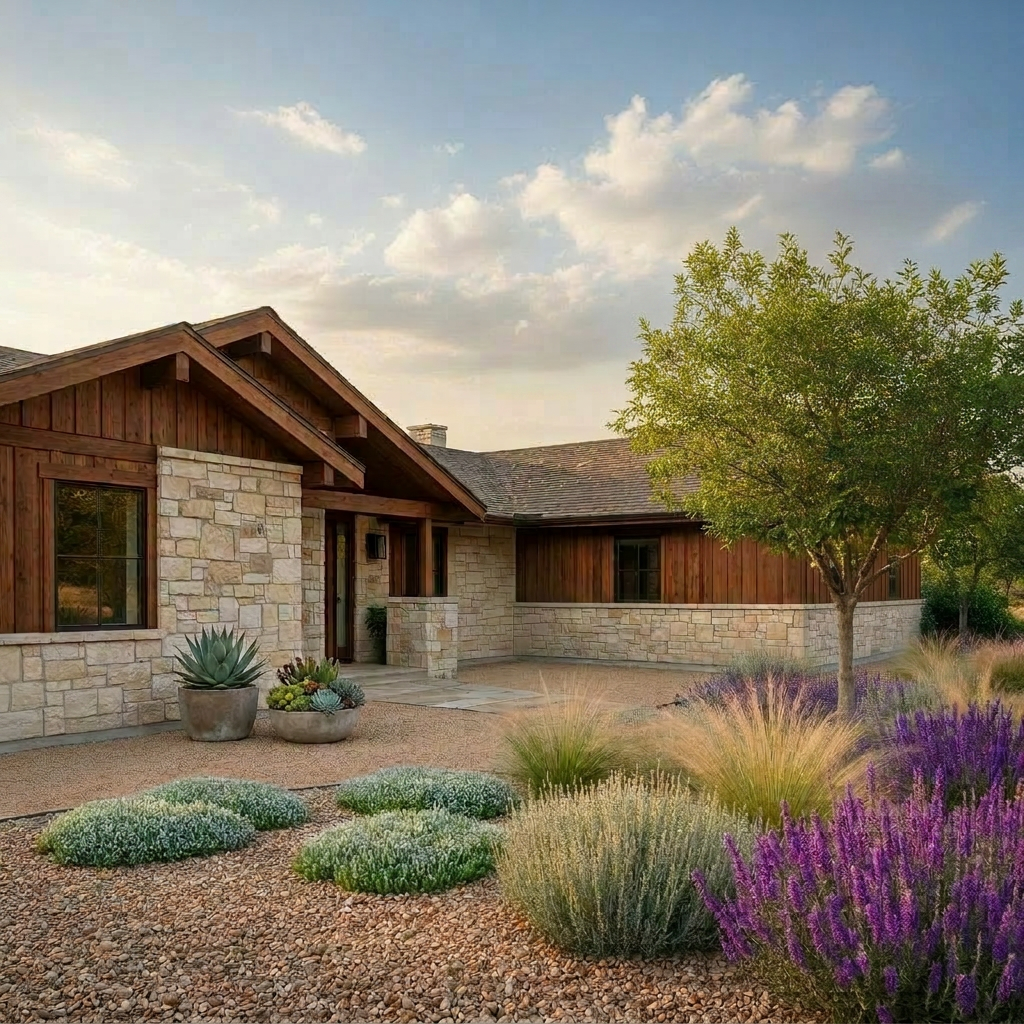
A common Zone 7–8 home, landscaped with these recommendations
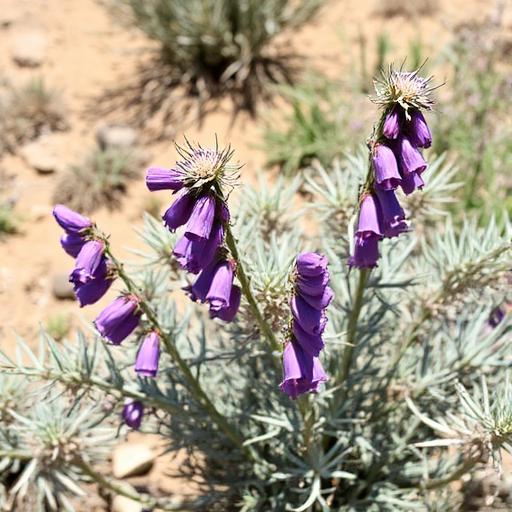
Silver-leafed shrub that blooms after rain. Low fuel, extremely drought-tolerant.
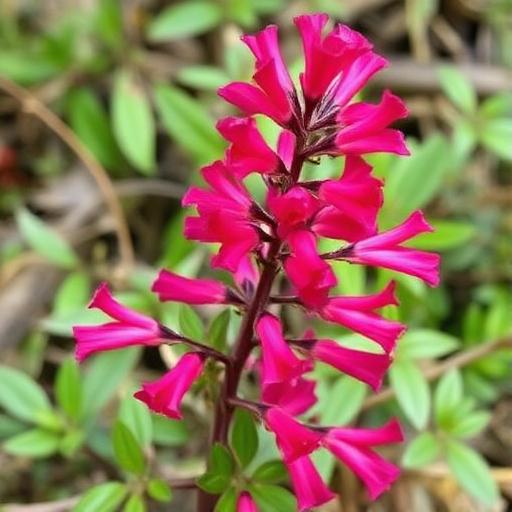
Continuous bloom spring through fall. Aromatic but high moisture when irrigated.
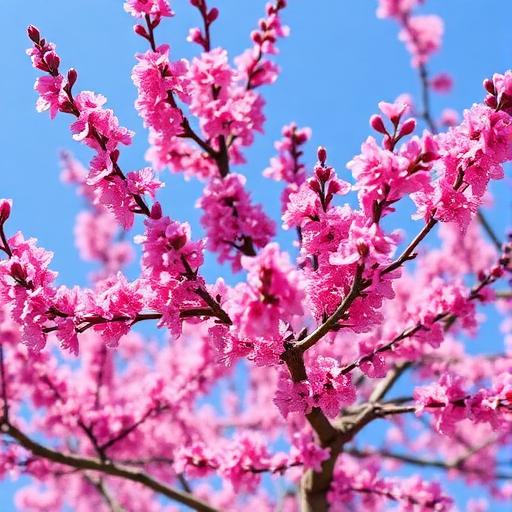
Deciduous. Heart-shaped leaves hold moisture well. Spring magenta blooms.
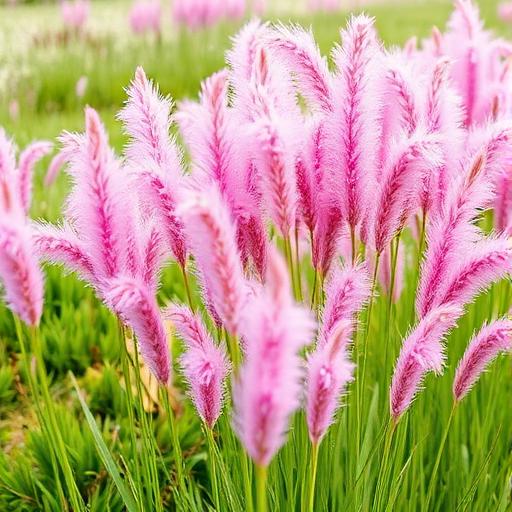
Pink cloud blooms in fall. Cut back annually. Low-density fuel when maintained.
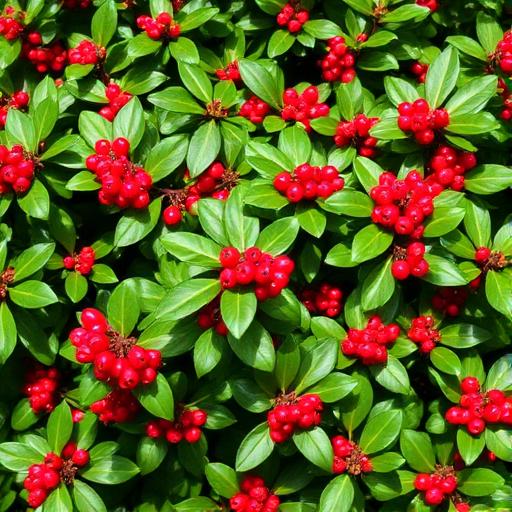
Evergreen with high moisture leaves. Great for screening. Slow to ignite when hydrated.
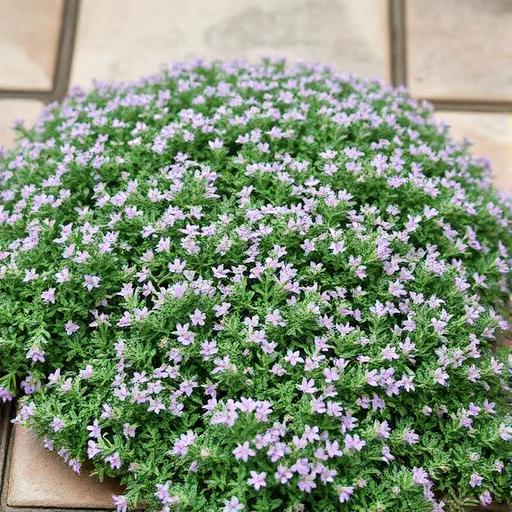
Walkable, fragrant carpet. Lavender-pink blooms. Excellent ember-zone plant.
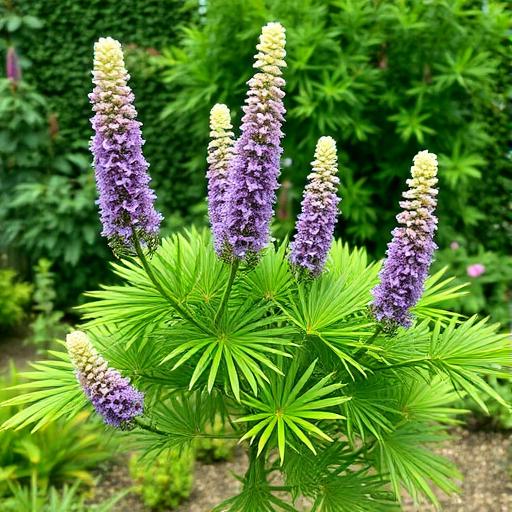
Small tree with lavender spikes. Deciduous, high moisture. Heat and drought tolerant.
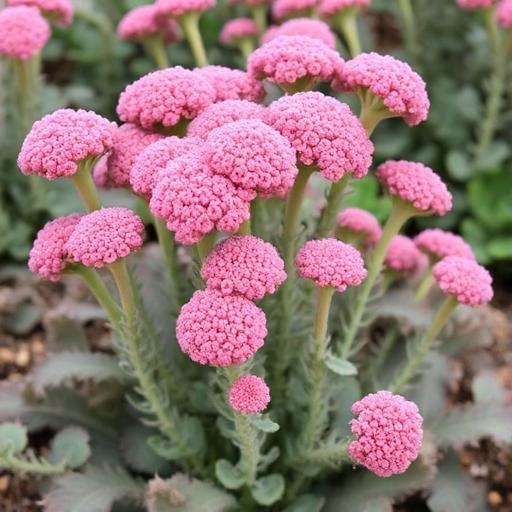
Succulent stems hold water. Cut back dead flower heads in winter.
Zones 9–10
Southwest & Southern California
Extreme heat, extended drought, and the longest fire seasons in the country. Mediterranean and desert-adapted plants dominate.
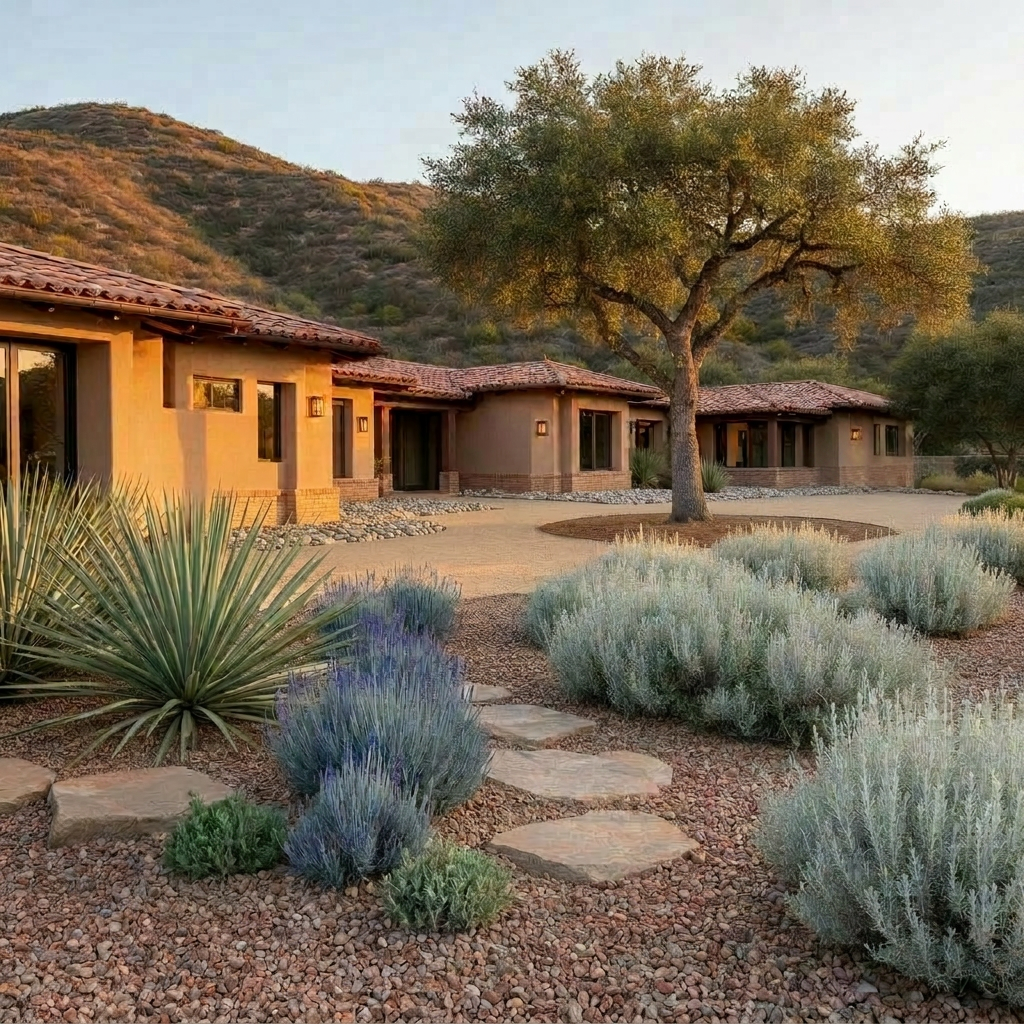
A common Zone 9–10 home, landscaped with these recommendations
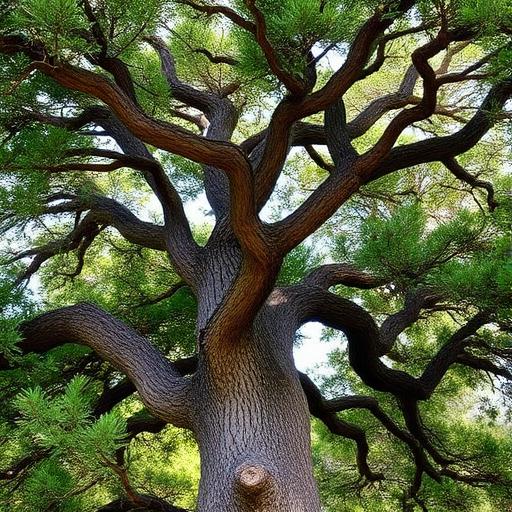
Specimen tree. Limb up 6 ft, crown-space 15 ft. Naturally fire-resistant bark.
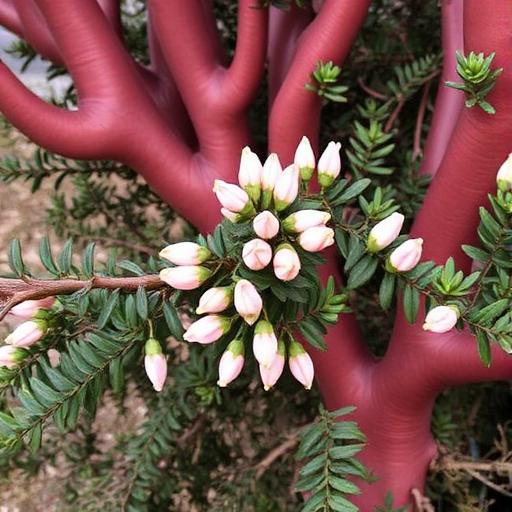
Sculptural mahogany trunks. Remove dead interior wood annually. Keep from structures.
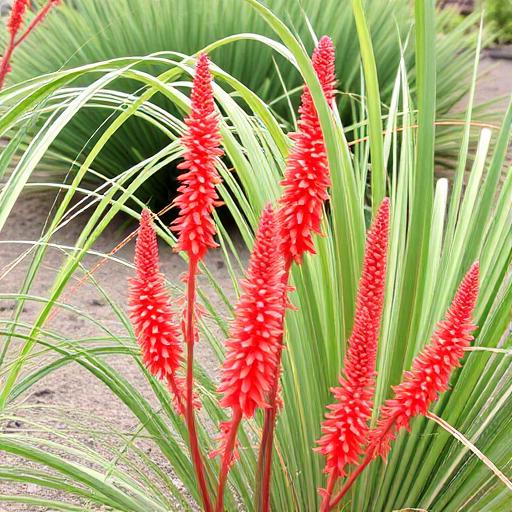
Coral bloom spikes. Succulent leaves. Thrives in extreme heat near walls.
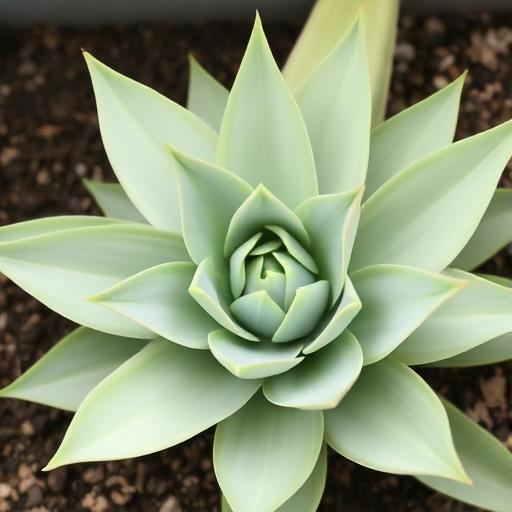
Soft architectural rosette. High moisture, low resin. Container or ground.
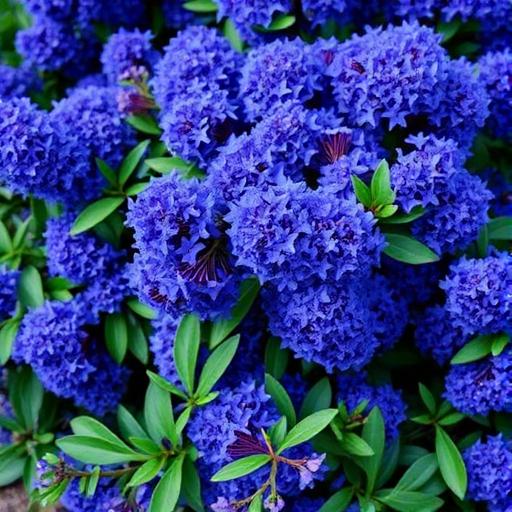
Vivid blue spring bloom. Deep roots. Keep 10 ft from structures.
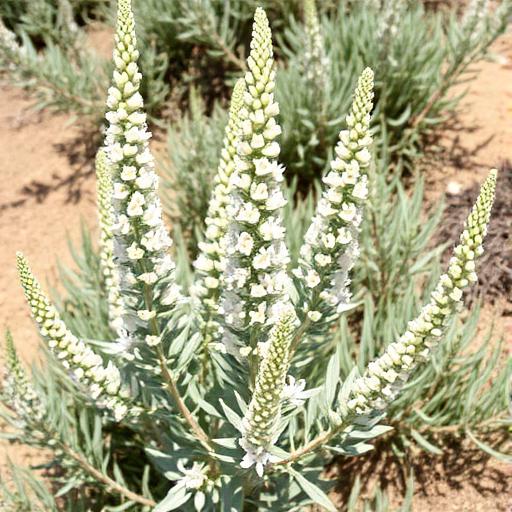
Silver foliage, architectural bloom spikes. Native. Aromatic but low fuel when spaced.
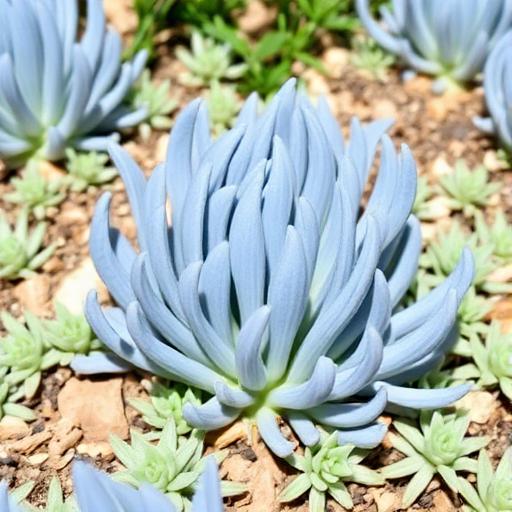
Powder-blue succulent mat. Near-zero fuel load. Zone 0 appropriate.
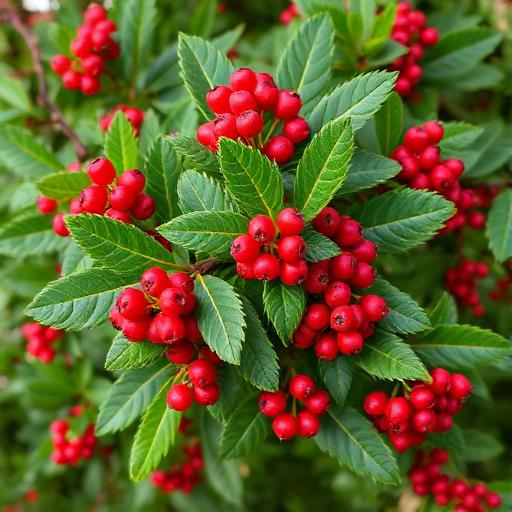
Evergreen with red winter berries. Native. Deep roots access subsurface moisture.
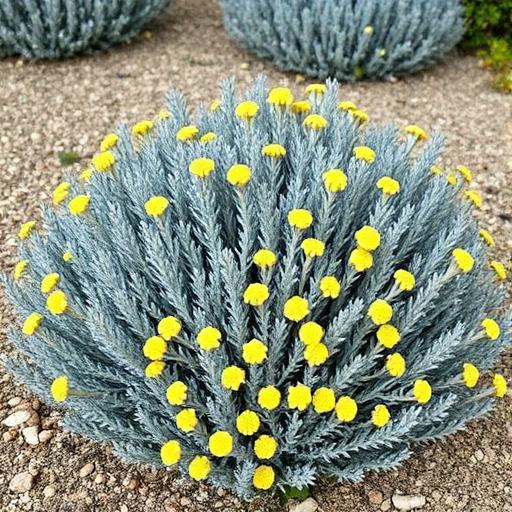
Silver mounds. Shear into tight shapes. Highly aromatic, low fuel when maintained.
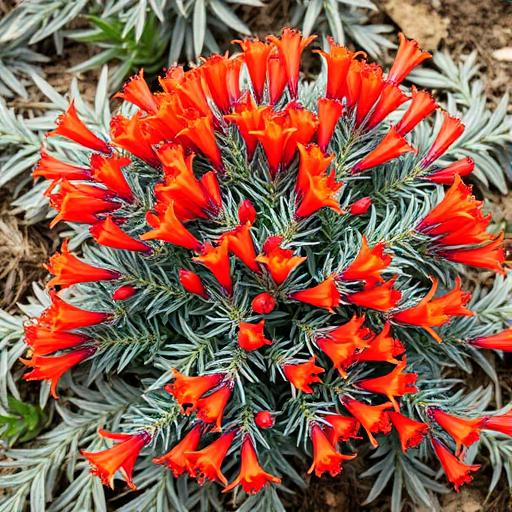
Hummingbird magnet. Cut to ground in winter. Low-growing, minimal dead fuel.
Plants to Avoid in the Rocky Mountain West
The wrong plant in the wrong place isn't just a maintenance problem — it's a fuel problem. These are the most common landscaping plants in the Mountain West that actively increase fire risk near homes.
Extremely volatile oils. The #1 cause of structure losses in Mountain West wildfires. Remove from Zone 0 and Zone 1.
Beautiful but resinous needles create ladder fuels. Keep in Zone 2 only, well-limbed.
Dense, oily interior burns like a torch. Common in Rocky Mountain landscapes. Remove near structures.
Highly flammable and invasive in many western states. Replace with native alternatives.
Fast-growing, drops significant debris, creates fuel accumulation.
All zones. All plants. All details.
The full 27-page Resilient Landscaping guide includes detailed zone diagrams, spacing measurements, a maintenance calendar, and a budget planner.
Get the guide — $24.99Important: Always cross-check with your local cooperative extension service. Plant fire-resistance depends on proper irrigation, maintenance, and spacing — none of which are optional. See our disclaimer for full details.